
5 Ways to Feature Aluminium Battens in Your Next Project
.png&w=3840&q=75)
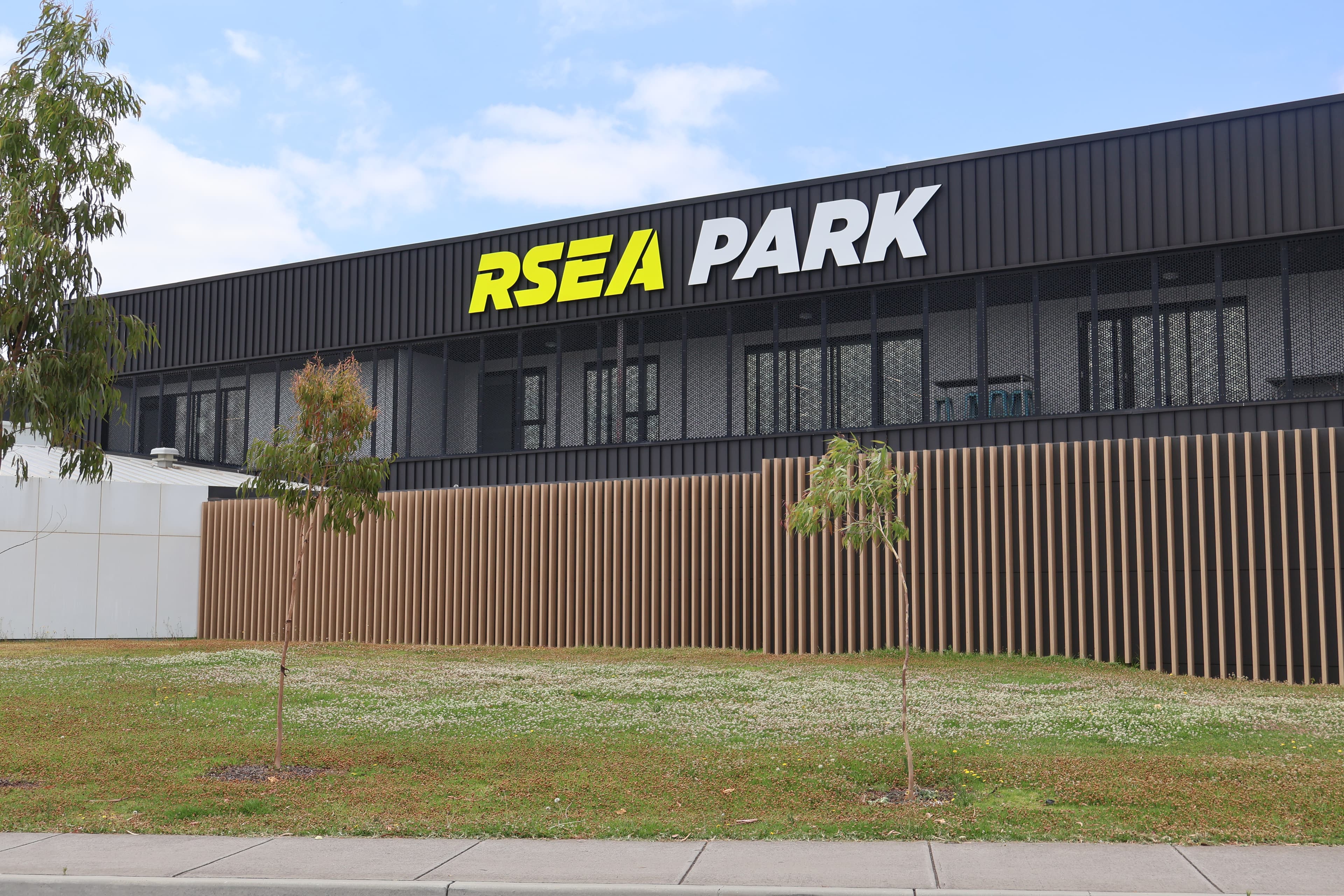
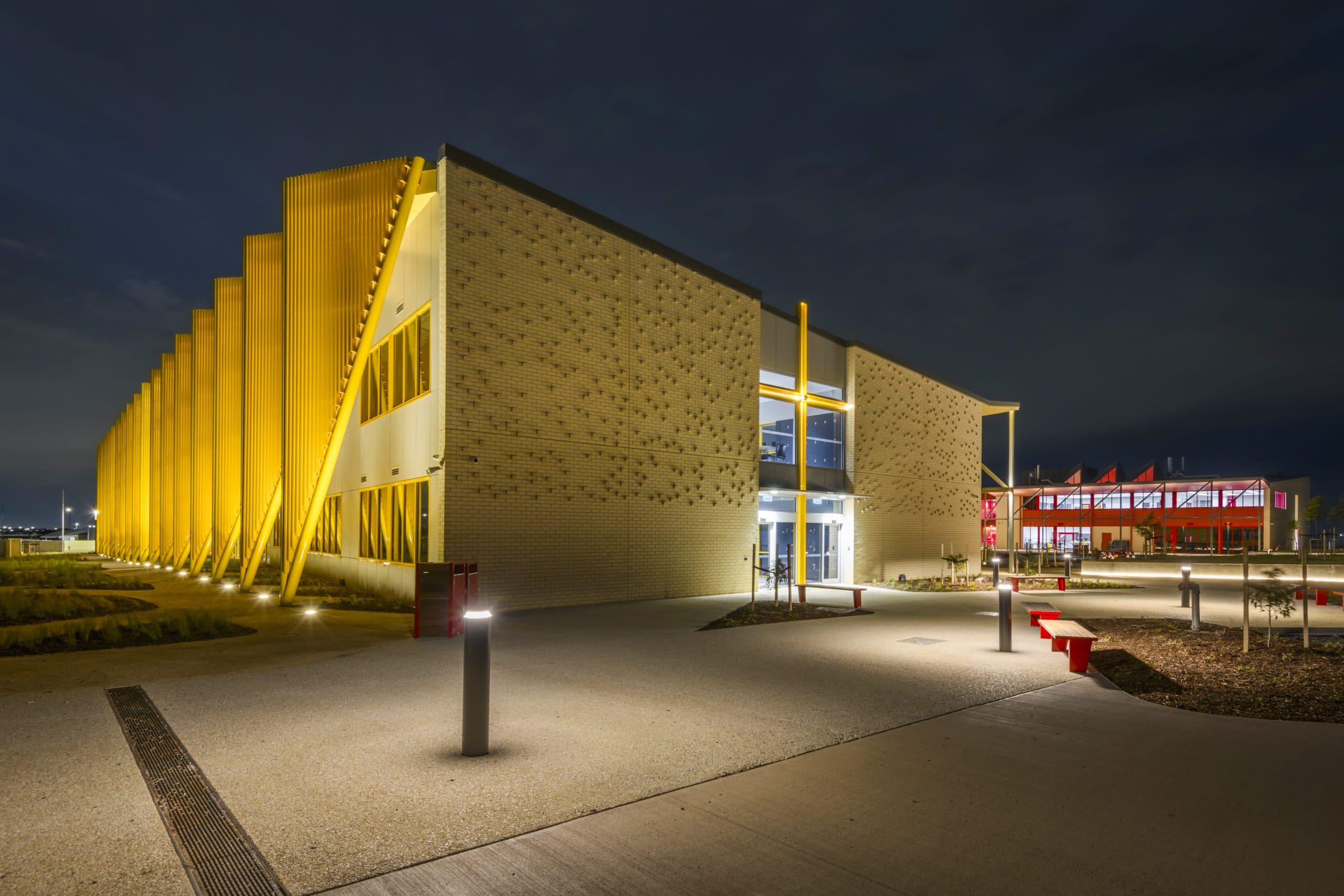
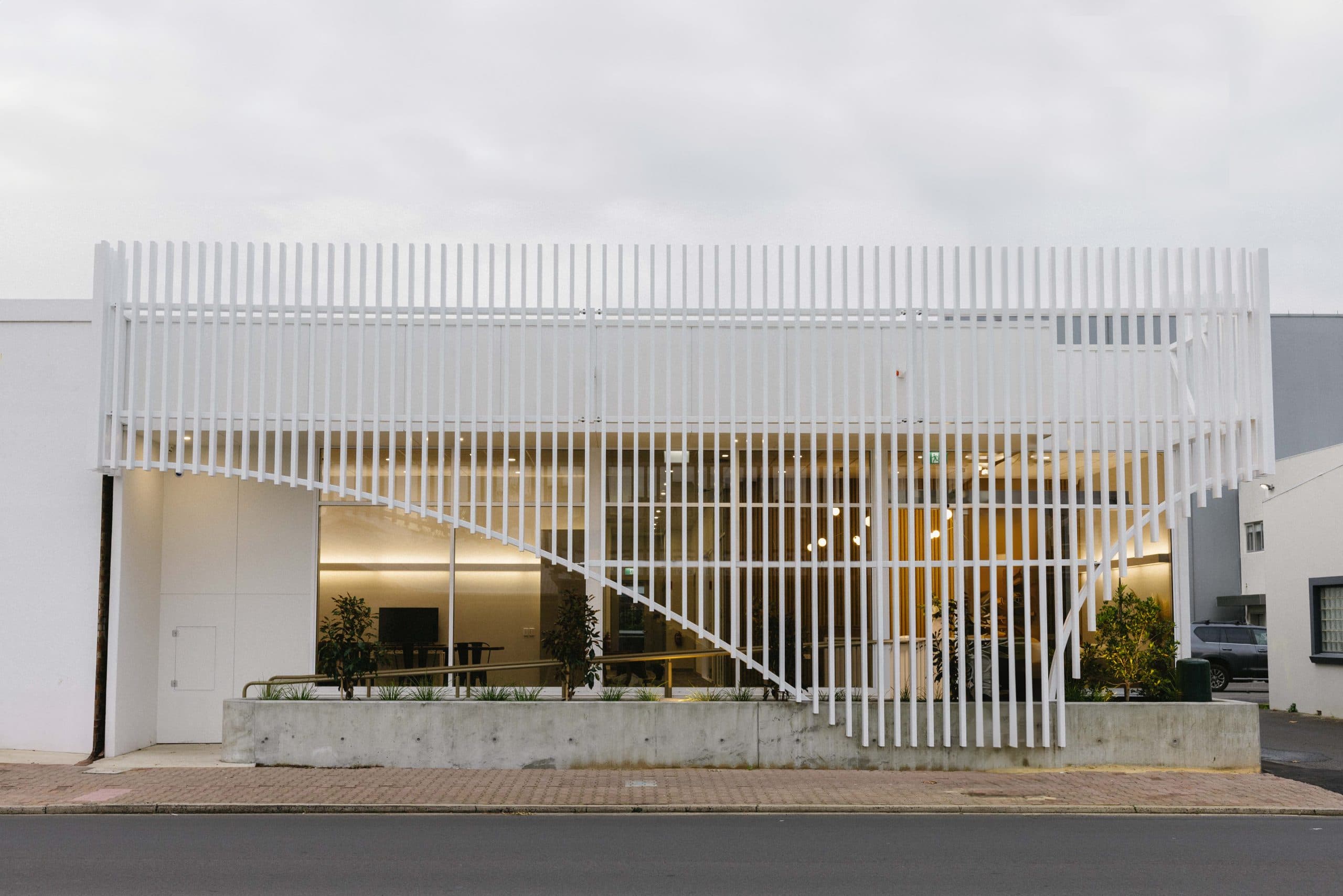
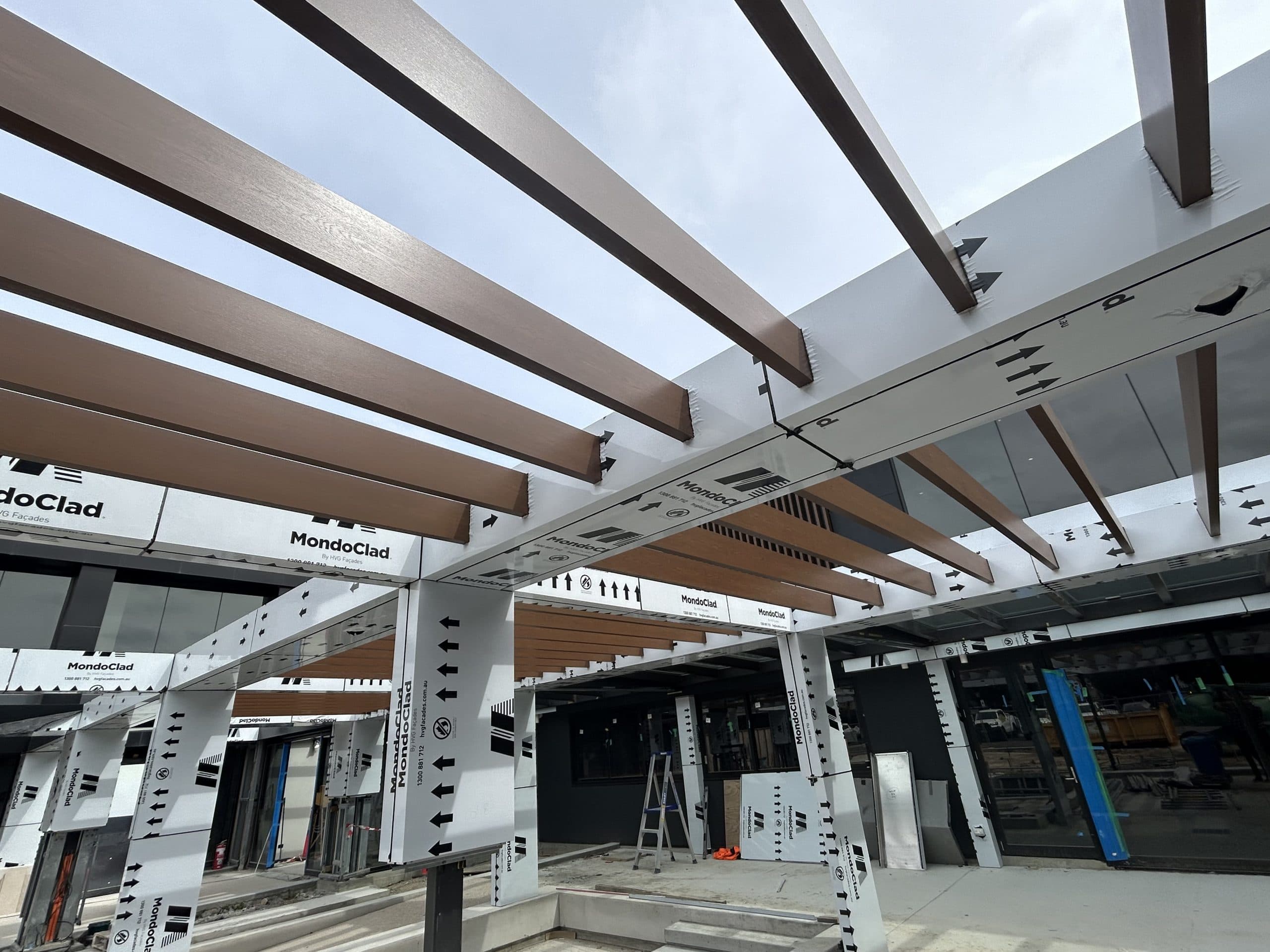
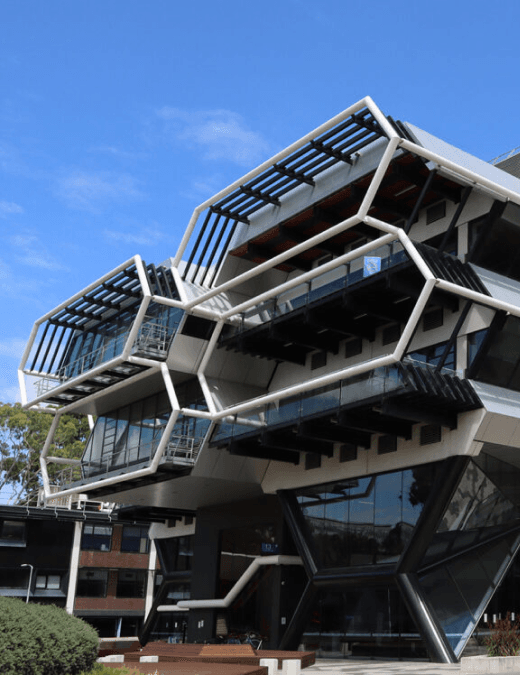
Aluminium battens have become a defining feature in contemporary façade design. They bring clean lines and subtle shadow, adding depth and detail that helps buildings feel more welcoming, considered and connected to the people who experience them
From feature elevations and privacy screening to sun shading and directional layouts, battens can transform flat surfaces into facades with rhythm, depth and movement, while still supporting durability and project practicality.
Below are five of the most effective ways to use aluminium battens across modern façade design.
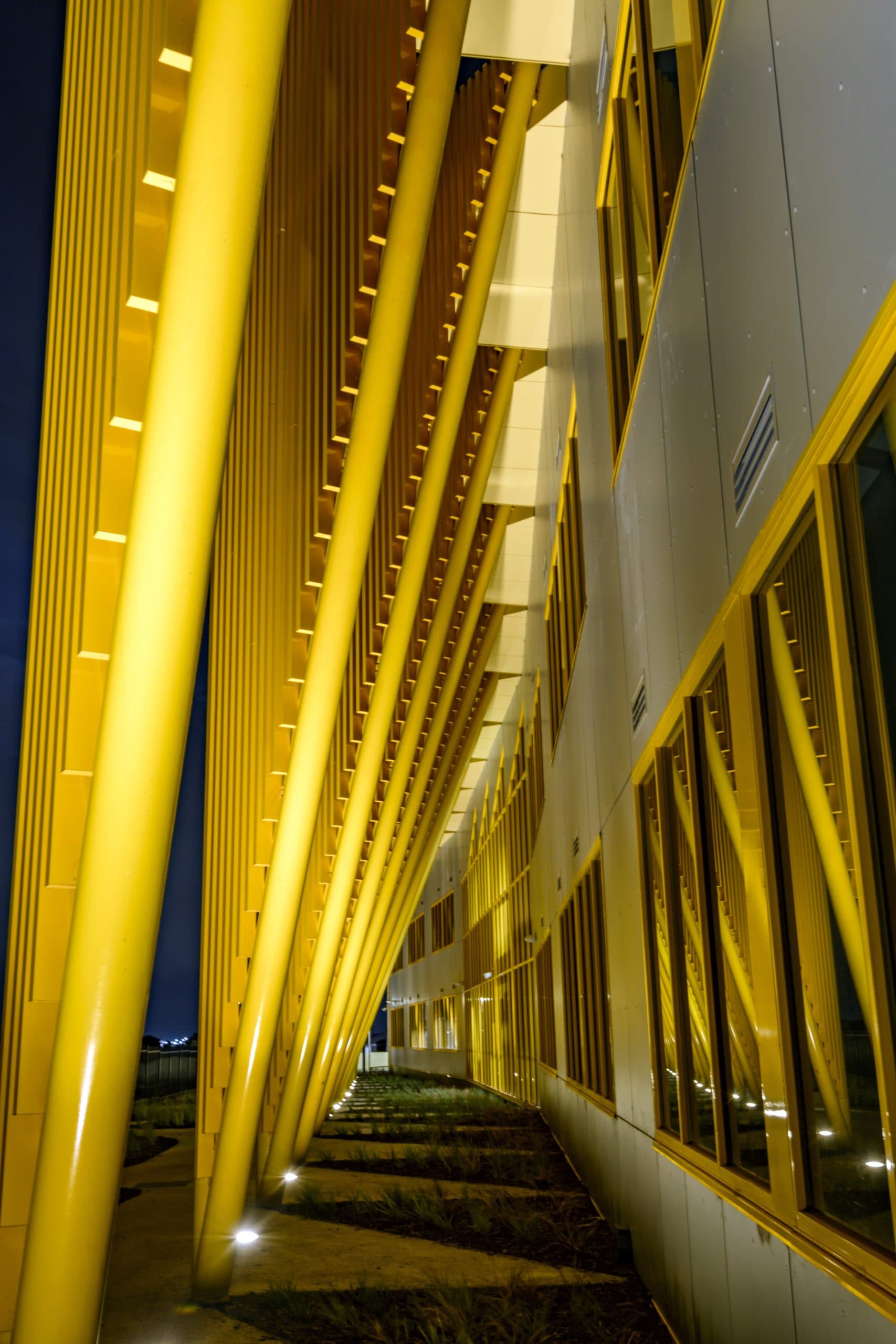
1. Create a feature façade
If your façade needs a stronger architectural identity, battens are a refined way to introduce three-dimensional texture without overcomplicating the form.
Feature batten applications work especially well on:
- street-facing elevations
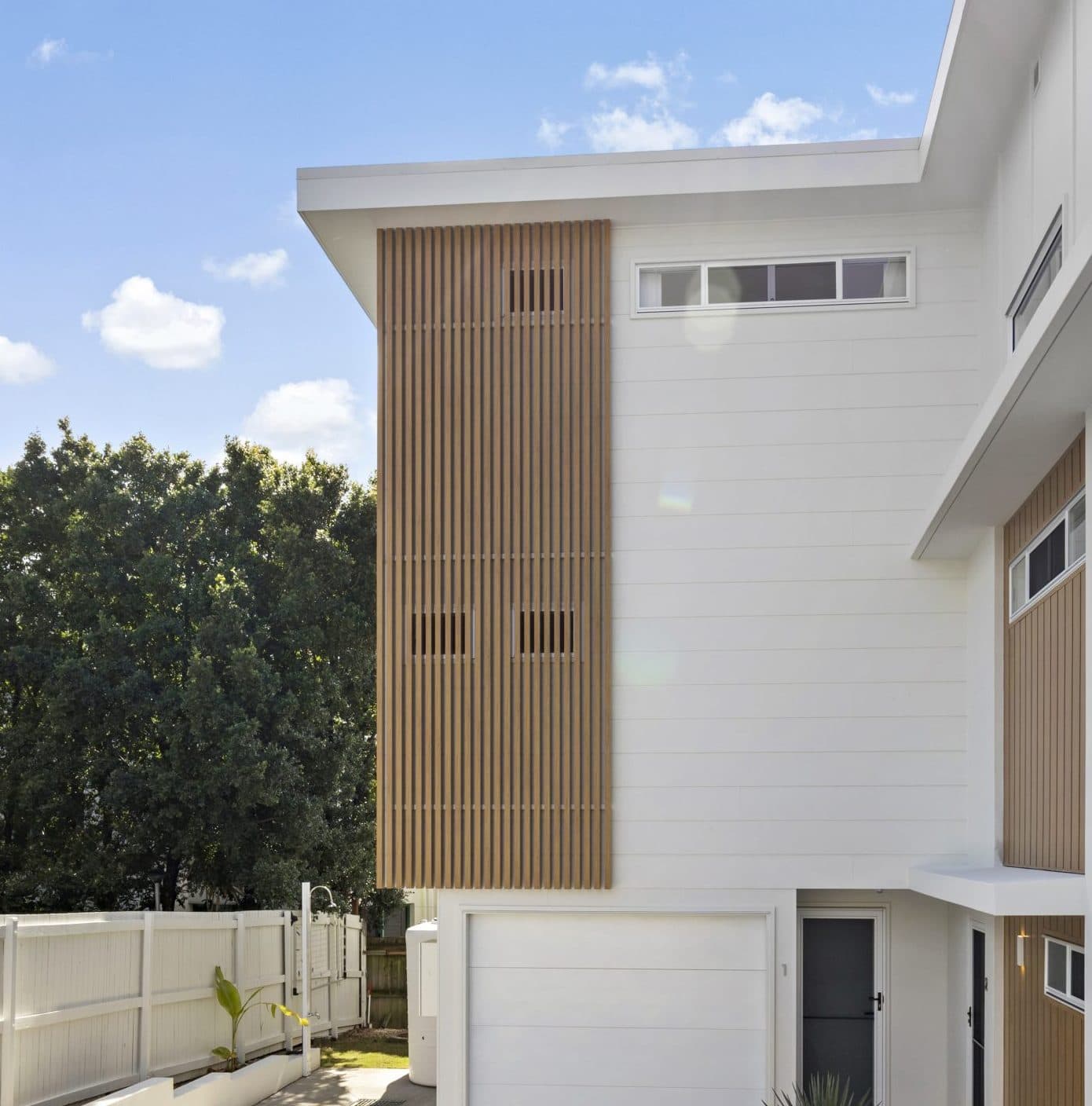
- projecting volumes and upper-storey “boxes”
- entry portals and building thresholds
- façade zones that need a stronger sense of hierarchy
Even subtle changes in batten spacing can shift the façade mood from bold and graphic to calm and understated, while maintaining a consistent architectural language.
Design tip: Use battens to highlight one key element of the building (a volume, entry, or façade bay). It creates contrast and keeps the overall design balanced.
2. Privacy screening
Privacy screening doesn’t need to feel heavy or defensive. Aluminium battens allow you to manage overlooking while keeping the façade open, breathable and visually light.
This approach is ideal for:
- balcony screening for multi-residential
- boundary-facing windows
- terraces, walkways and shared spaces
- screening for services and plant zone
Because privacy is achieved through spacing and layering, the design can still allow filtered light, ventilation, and outward connection, while improving comfort and usability.
Design tip: Consider how the batten arrangement reads from both angles: the street view and the occupant view. The best solutions perform in both directions.
3. Sun shading
Aluminium battens are often used for sun shading because they help soften direct sunlight before it reaches the building. This can reduce glare and heat, supporting more comfortable interior spaces, while still keeping the façade visually cohesive and considered.
Common shading applications include:
- Vertical battens that help block low morning and afternoon sun
- Horizontal battens that provide overhead shade, particularly above glazing
- Layered batten screens that act as a secondary skin, filtering sunlight while adding depth and texture to the façade
Rather than feeling like an add-on, battens allow sun control to be designed as part of the overall architectural language, enhancing both performance and visual clarity.
Design tip: Align batten layouts with window lines and key façade elements so the composition feels clean, resolved and intentional.
4. Horizontal applications
Horizontal aluminium batten layouts bring a sense of stability and continuity to a facade. They’re especially effective on long elevations where the design benefits from stronger lines and consistent repetition.
Horizontal applications are often used on:
- podium levels and base elements
- schools and community buildings
- commercial frontages
- long elevations that need softening and structure
In many cases, horizontal battens can help a building feel more grounded, while still delivering shadow depth and visual interest up close.
Design tip: Horizontal battens are a strong choice when you want to visually widen a building or create a more relaxed, calm façade rhythm.
5. Vertical applications
Vertical battens have a different energy. They draw the eye upward and add height, rhythm and a more expressive architectural profile.
This is a popular approach for:
- narrow elevations or tall wall planes
- entries and double-height volumes
- corners and facade transitions
- feature bays between openings
Vertical layouts also help break up large facade planes into finer modules, creating a more engaging experience at street level.
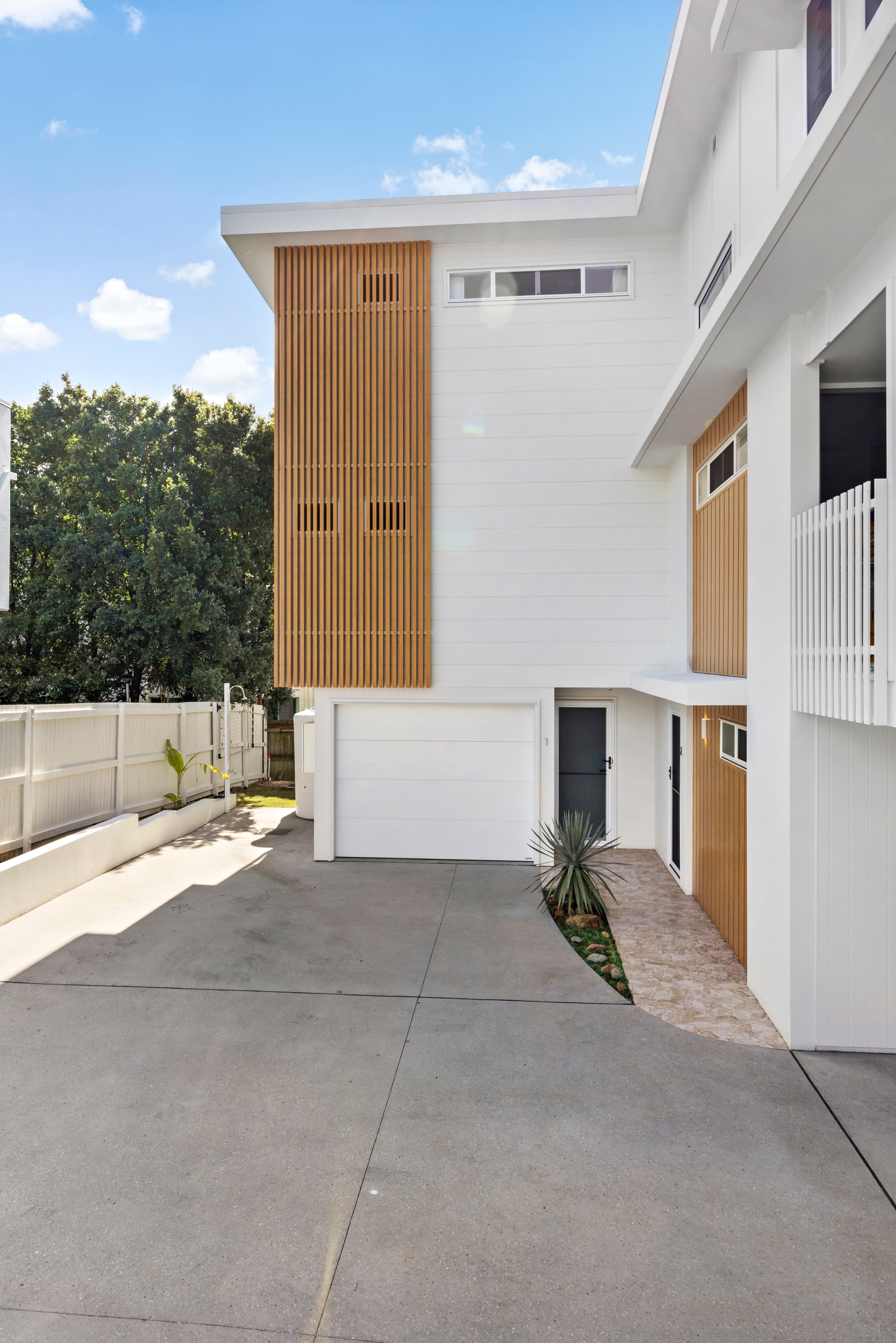
Design tip: A vertical batten zone placed strategically at entries or corners can provide a strong architectural gesture without needing to cover the full façade.
We’re here to support your façade vision
Aluminium battens offer more than a contemporary finish. They’re a practical way to introduce depth, rhythm and human scale into building exteriors, whether you’re designing a feature façade, screening a balcony, or controlling sun across a glazed elevation.
When used thoughtfully, battens can soften large wall planes, create a sense of movement through shadow, and deliver privacy and performance without compromising the overall architectural intent. They help façades feel more considered, welcoming and connected to place, not just visually resolved.
HVG Facades supports architects and specifiers in bringing these outcomes to life through Zintl Battens, an aluminium batten solution designed to help deliver crisp detailing, durable performance and design flexibility across a wide range of façade applications.
BLOG
On site. In practice
12 Feb 2026
A Practical Guide to Batten Spacing
Aluminium battens offer architects a powerful way to shape light, shadow and movement across a façade.
29 Aug 2025
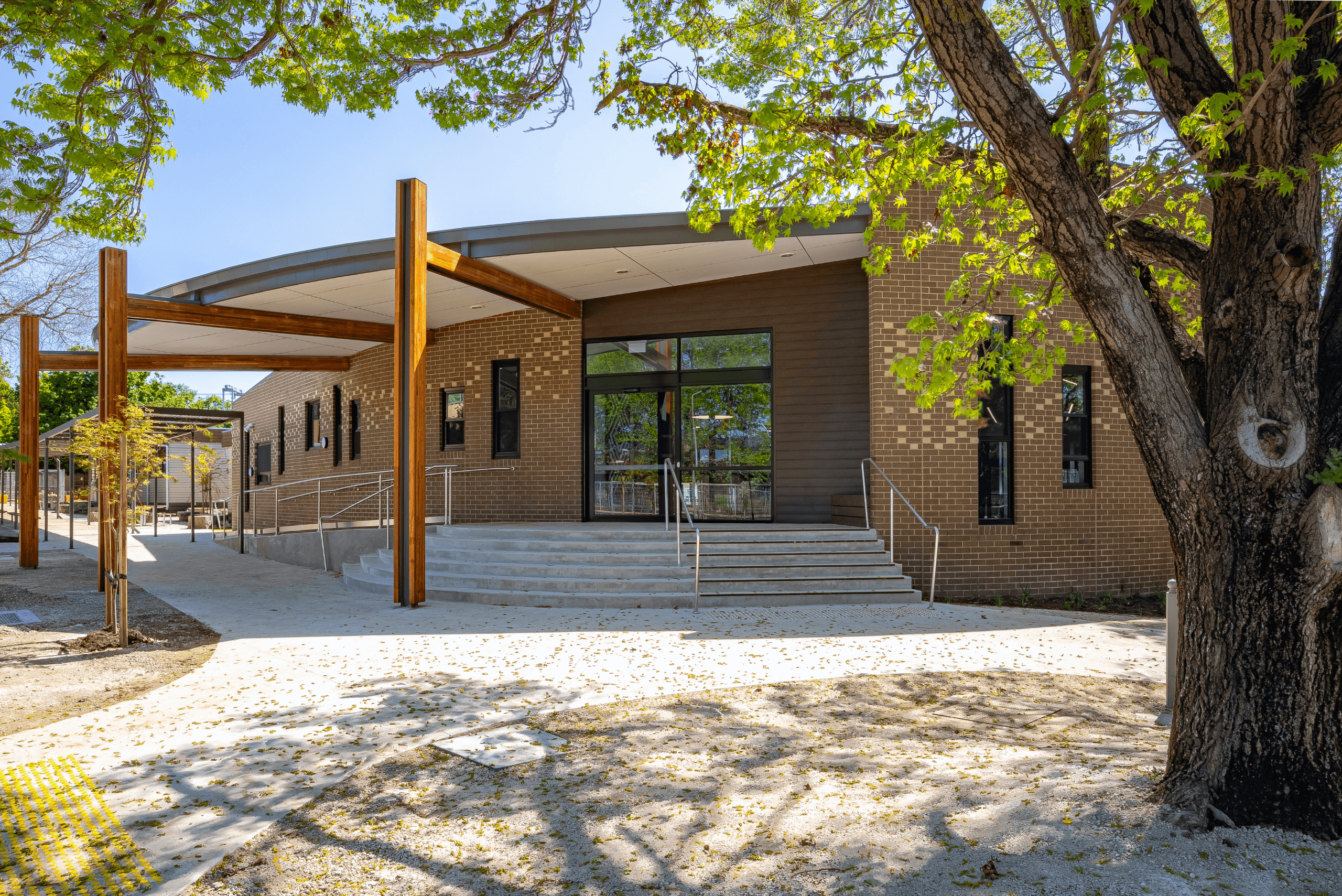
An Architect's Guide to Specifying Cladding for Schools
Australian schools are under growing pressure to expand, with enrolments forecast to surge by 650,000 students by 2026
08 Jan 2025
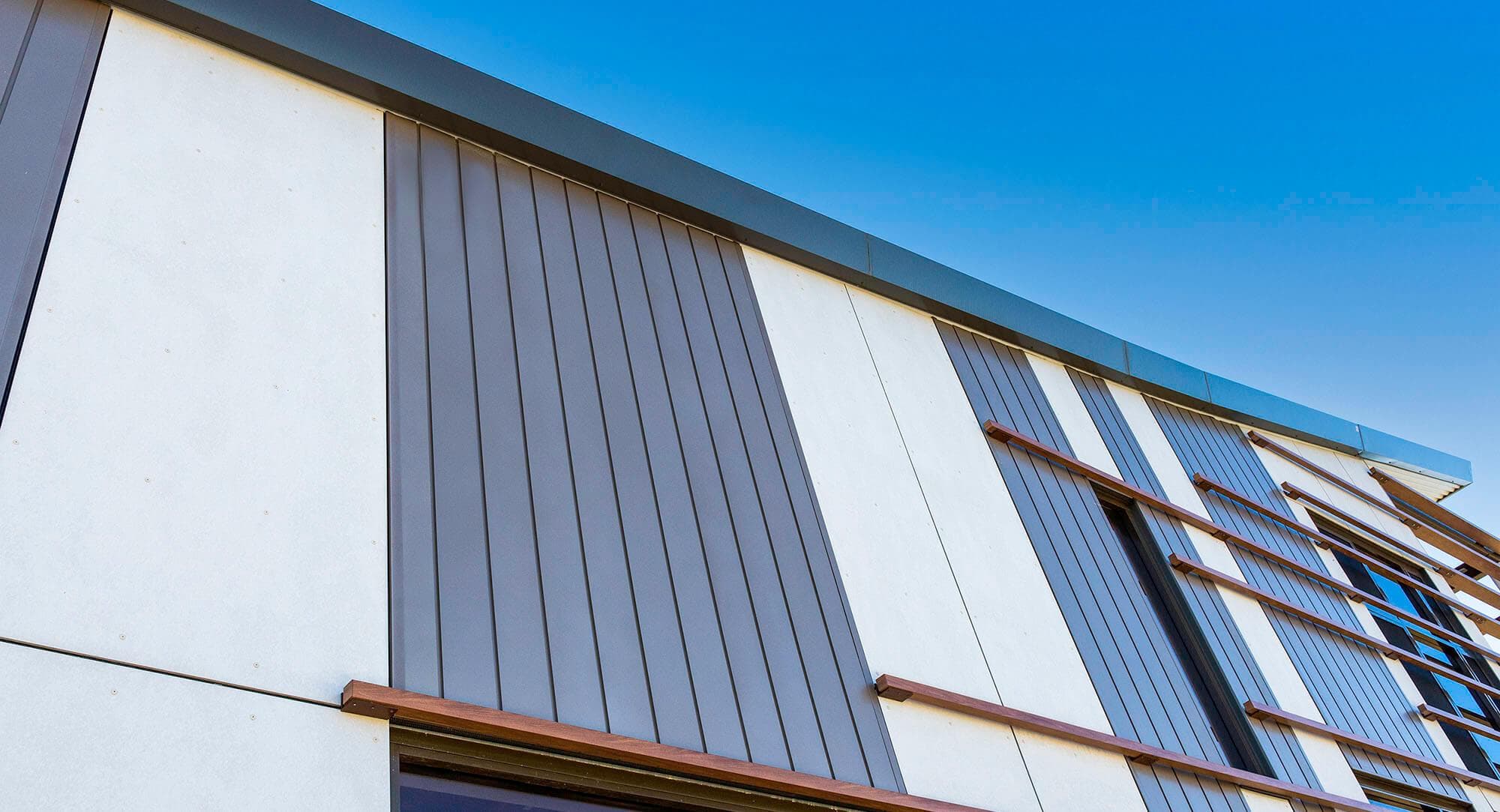
Multi-Layered Walls: Weatherproofing for Rear Ventilated Facades
Australian schools are under growing pressure to expand, with enrolments forecast to surge by 650,000 students by 2026