
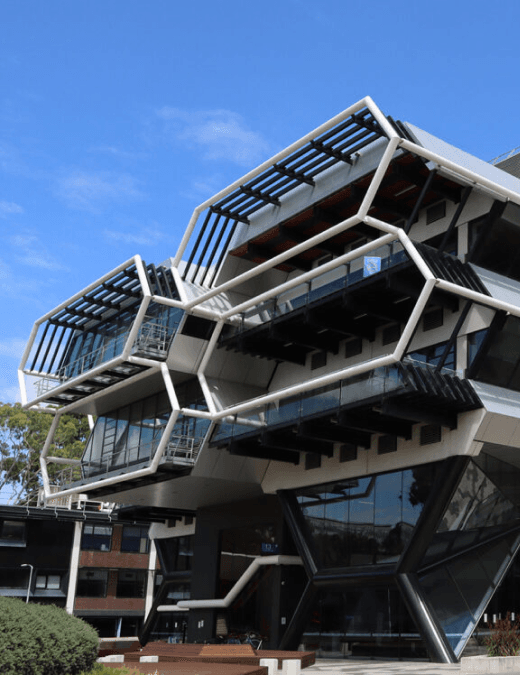
Fostering Connection Through Calm Façade Design
.png&w=3840&q=75)

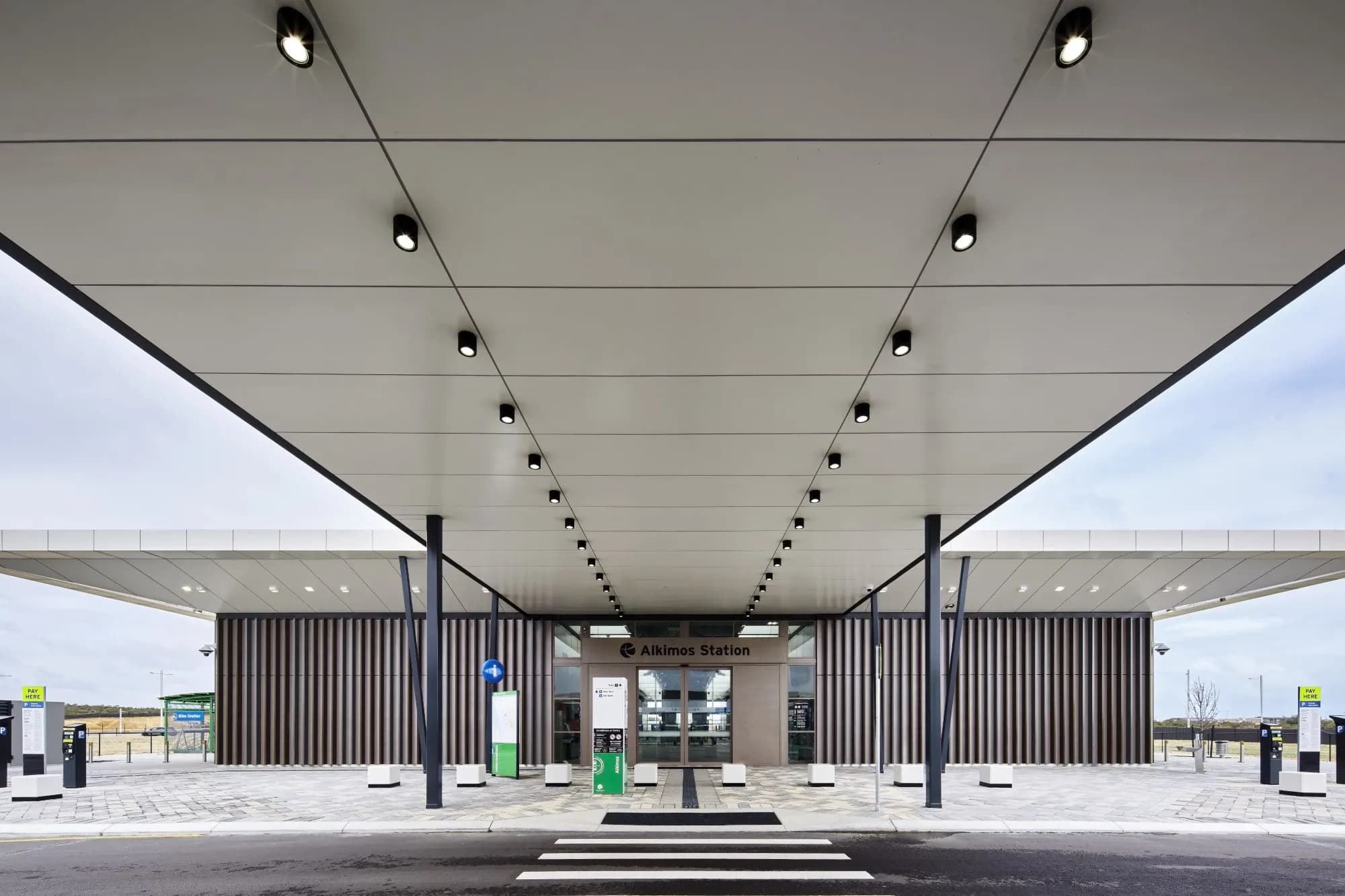

In a fast-paced world, architecture is often experienced in passing
A building’s façade becomes the first layer of communication between the built environment and the people who move through it every day.
That’s why calm façade design matters. It’s not simply an aesthetic choice. It’s a design approach that reduces visual noise, supports comfort, and helps buildings feel more human at street level. Calm doesn’t mean minimal or empty, it means intentional. It’s created through proportion, rhythm, texture and material clarity, all working together to shape the atmosphere of a place.
Why calm façades foster connection
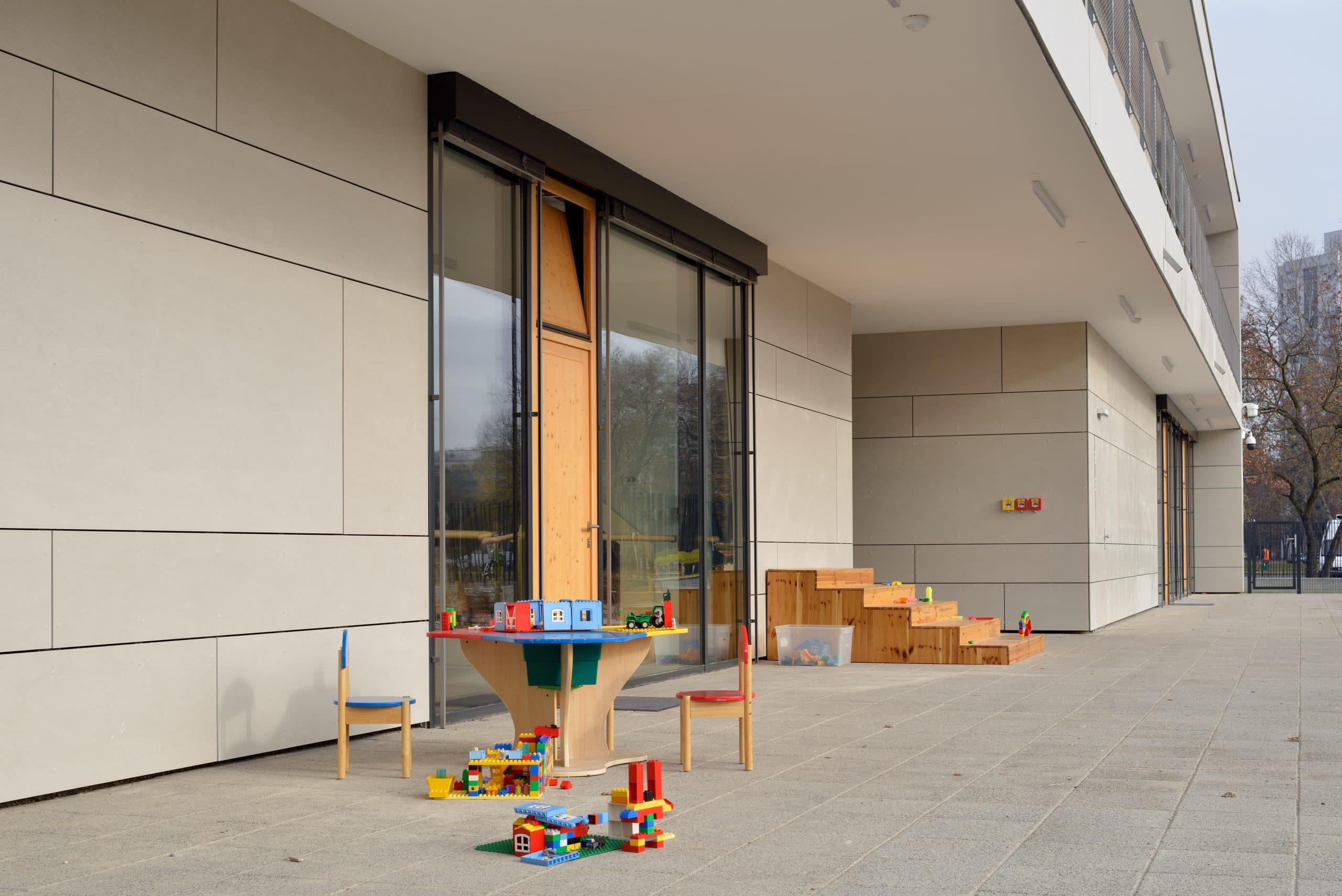
Connection doesn’t only happen inside buildings. It happens outside them: at entry points, along walkways, in courtyards, drop-off zones and streetscapes. A calm façade can make these spaces feel more welcoming and familiar, creating a subtle sense of belonging.
Calm façade design often supports this by:
- softening the scale of built form
- creating clear, readable patterns at pedestrian pace
- introducing texture and depth rather than flat surfaces
- supporting longevity through timeless design choices
In sectors like education, health, civic and multi-residential architecture, these qualities can contribute to spaces that feel more comfortable and approachable over time.
The peaceful impact of white
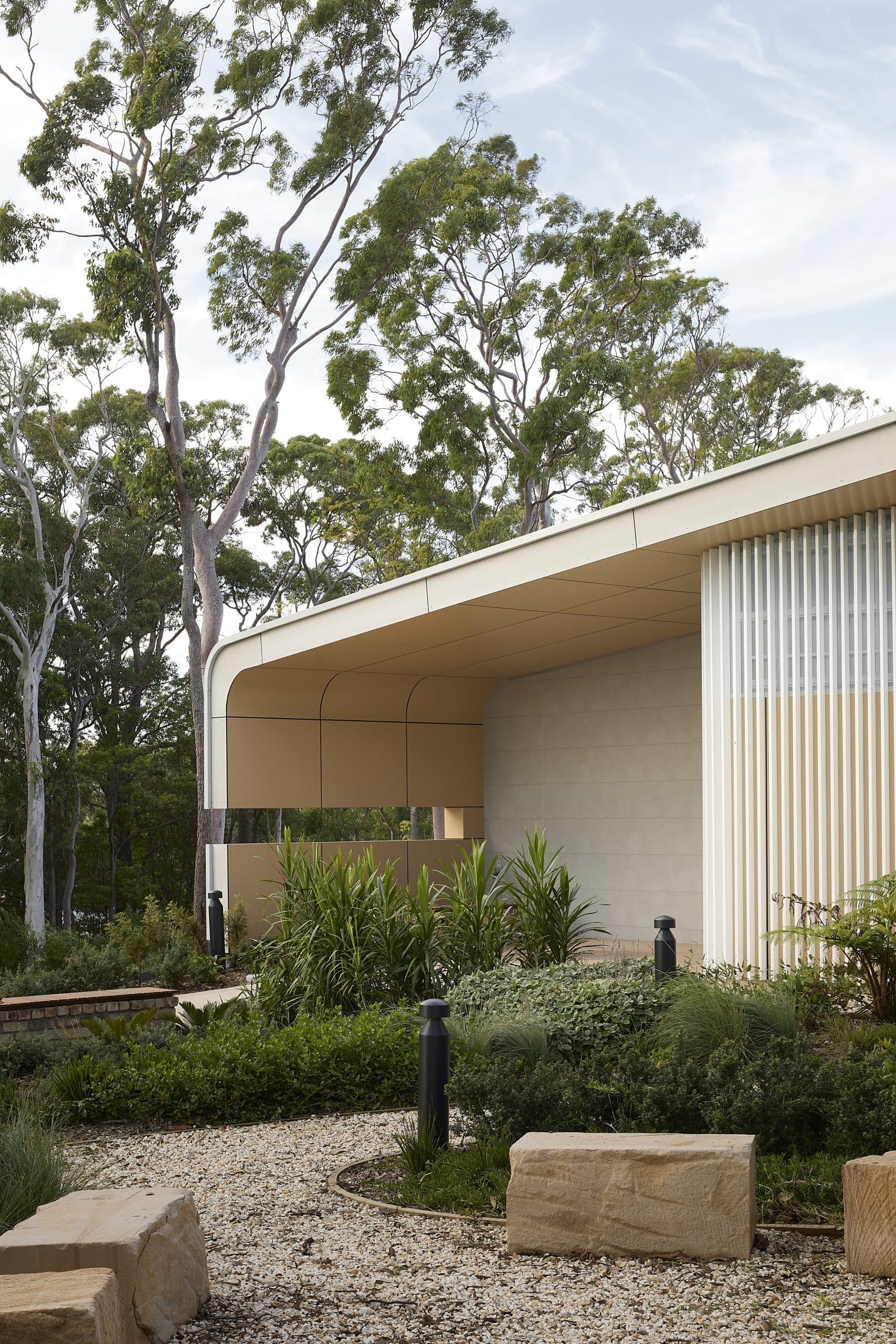
White is often described as neutral, but on a façade it plays an active role. It reflects light, lifts the visual weight of built form, and supports a sense of openness in the streetscape. In dense urban environments, it can introduce breathing space. In coastal and landscape settings, it feels crisp and expansive.
More importantly, white creates calm through restraint. Instead of dominating with colour, it allows architecture to be defined by form, shadow and detail. It gives the building a composed presence that feels confident rather than attention-seeking.
Cloud Dancer and the shift towards softer façades
Pantone’s 2026 Colour of the Year, Cloud Dancer, reflects a broader shift towards softness, clarity and calm in the built environment. On façades, tones like Cloud Dancer elevate a sense of lightness and quiet confidence, helping buildings feel less imposing and more connected to their surroundings.
This softer white also provides strong design flexibility. It pairs naturally with warm neutrals, muted greens, deep charcoals and natural textures, such as fibre cement, to create contrast without visual noise, supporting calm architecture that still feels rich and engaging.
Calm relies on depth, not decoration
The most successful calm façades are rarely flat. Calm architecture is highly designed, and lighter tones like Cloud Dancer can make this even more apparent by highlighting alignment, junctions and surface quality.
Rather than relying on bold gestures, calm façade outcomes are often created through:
- expressed joints and clean shadow lines
- smaller-format elements that introduce rhythm
- subtle texture that shifts throughout the day in changing light
- refined transitions between planes, corners and openings
These details reward closer experience, which is where connection is built.
We’re here to support your façade vision
Calm design depends on more than colour alone. It requires façade solutions that support clean detailing, long-term performance, and thoughtful architectural expression at human scale.
HVG Facades can assist architects and specifiers in delivering calm façade outcomes through systems designed for depth, rhythm and longevity, including MondoClad, ZINTL, Vetérro, and Nucleo. From crisp, contemporary forms to textured and articulated surfaces, these solutions give designers the flexibility to create façades that feel welcoming, enduring and connected to place.
Because the façades people return to, day after day, aren’t always the loudest. Often, they’re the ones that make people feel at ease.
BLOG
On site. In practice

13 Jan 2026
Fostering Connection Through Calm Façade Design
In a fast-paced world, architecture is often experienced in passing. A building’s façade becomes the first layer of communication between the built environment and the people who move through it every day.
29 Aug 2025
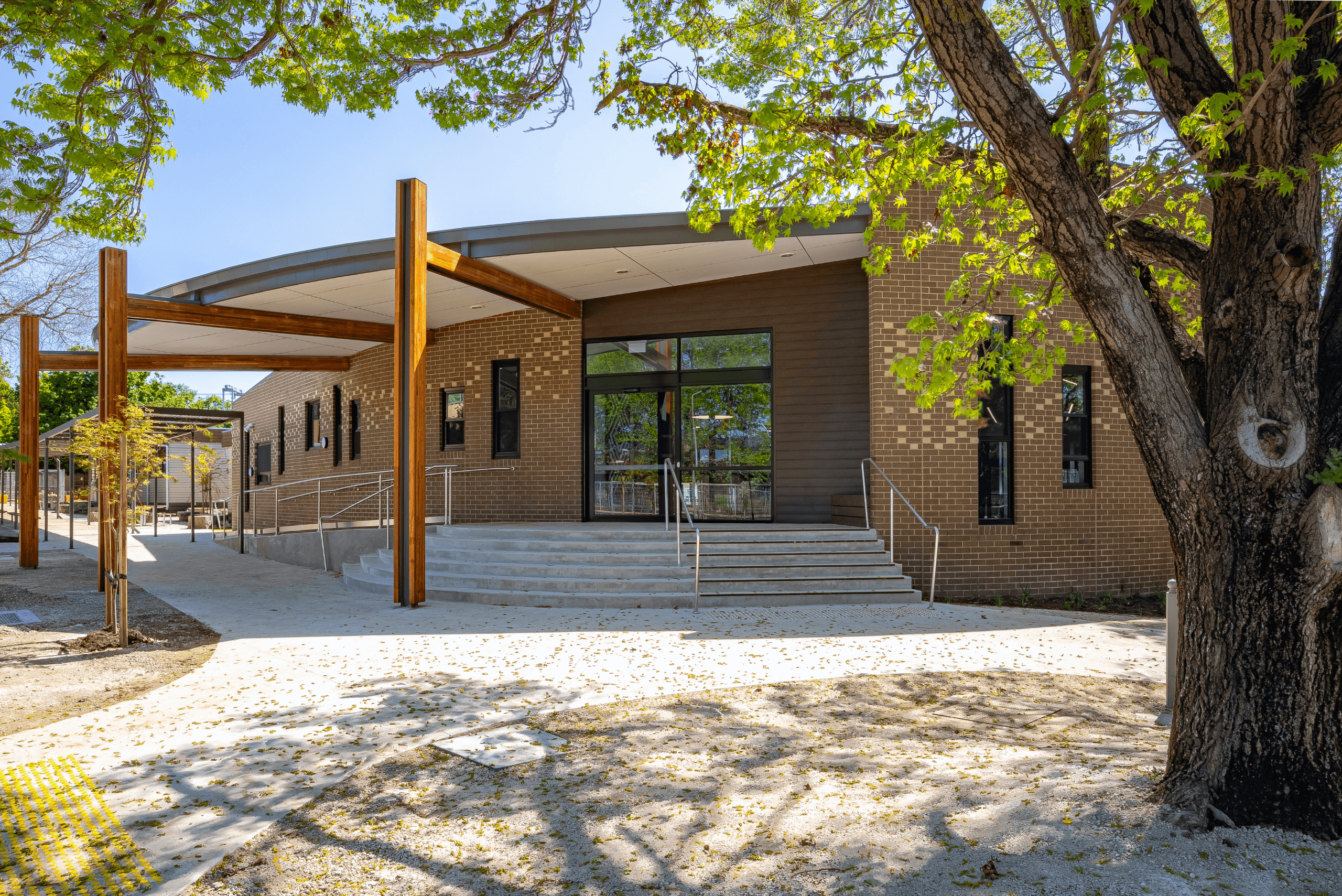
An Architect's Guide to Specifying Cladding for Schools
Australian schools are under growing pressure to expand, with enrolments forecast to surge by 650,000 students by 2026
03 May 2026
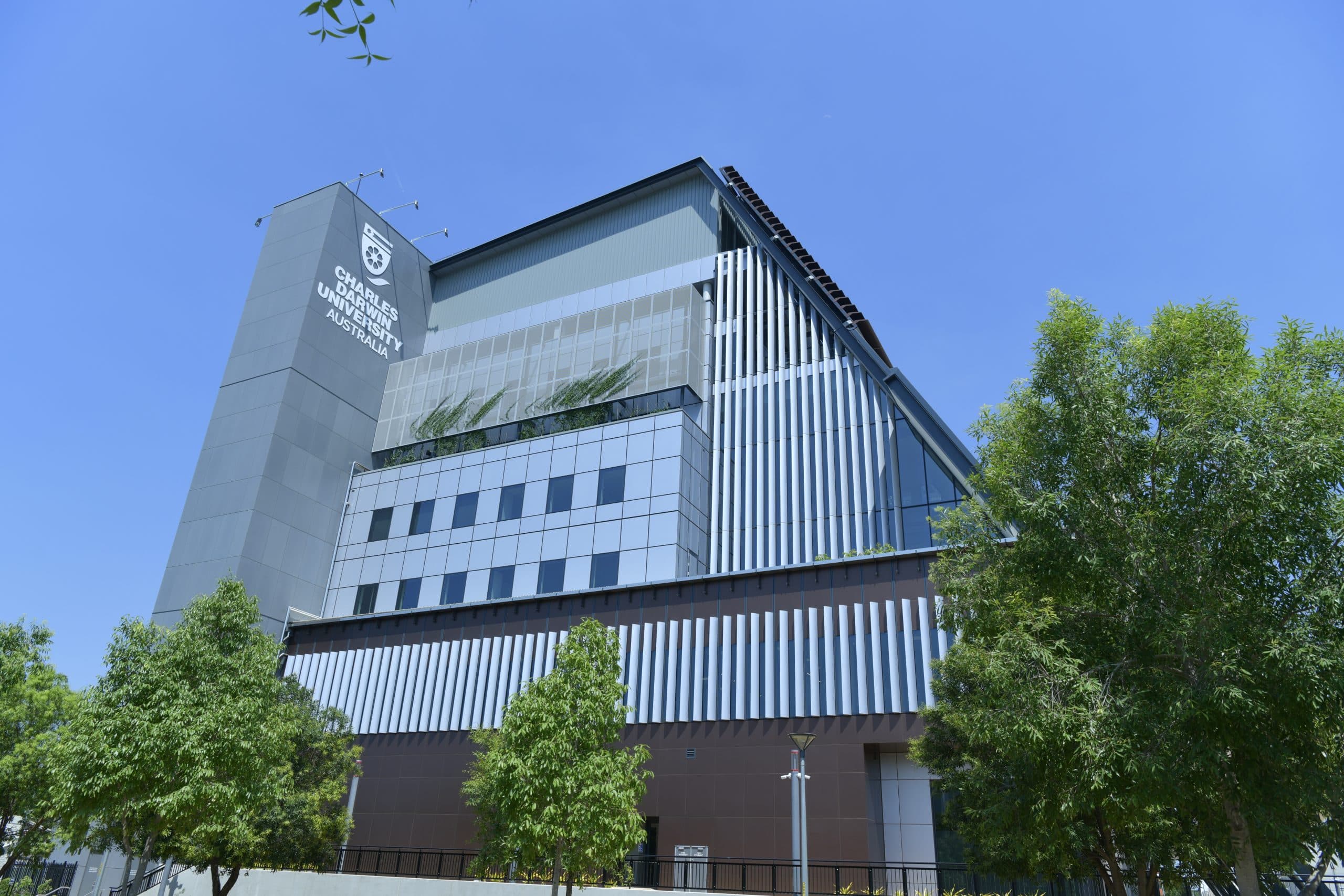
Case Study: The Charles Darwin University Education & Community Precinct, 'Danala'
The newly opened Charles Darwin University (CDU) Education and Community Precinct epitomises a dynamic vision for Darwin’s Central Business District.