
Navigating Green Building Certifications with MondoClad
.png&w=3840&q=75)
Navigating green building certifications requires a holistic approach to material transparency
As the architecture and design industry moves decisively toward a zero-carbon, health-centric future, navigating the landscape of voluntary sustainability benchmarks – such as Green Star, WELL, the Living Building Challenge and LEED – has become a fundamental part of the specification process. However, that hasn’t necessarily made it easier.
In fact, earning credit points within these rigorous frameworks often involves a complex and time-consuming documentation trail. For design teams looking to secure specific credits, particularly for façade applications, understanding exactly how building products contribute to these holistic rating systems is critical. This is especially true, notes Dirk Zimmerling, General Manager at HVG Façades, since there are certain misconceptions around sustainable product specification that can hinder this process.
The EPD misunderstanding
“A common misconception is that an Environmental Product Declaration (EPD) alone is enough to meet sustainability requirements,” Roger Brooks, National Technical Manager with HVG Façades, explains.
While EPDs provide essential, verified data on upfront embodied carbon and lifecycle impacts, he adds, material health transparency and ethical supply chain verification are essential aspects of responsible specification. “They form part of a much more holistic approach to sustainable specification,” Roger says. “For instance, certifications like Global GreenTag GreenRate™ assess ethical supply chain performance, while Global GreenTag PlatinumHEALTH™ HealthRATE offers comprehensive material health transparency. And they’re just as vital to the final score.”
These certifications align directly with the Green Building Council of Australia’s (GBCA) Responsible Products Framework, which requires evidence across multiple environmental and ethical metrics. “Green Star Buildings, Communities and – soon – Fit-Outs contain Responsible Products Credits, awarding teams for the use of products and materials certified by recognised initiatives,” Roger explains. “The project team must use a minimum percentage of ‘responsible products’ by cost, which are then logged in a Responsible Products Calculator.”
For façade applications, he adds, this has a direct impact on compliance with Credit 7 – Building Envelope.
Scoring 27 credit points with MondoClad
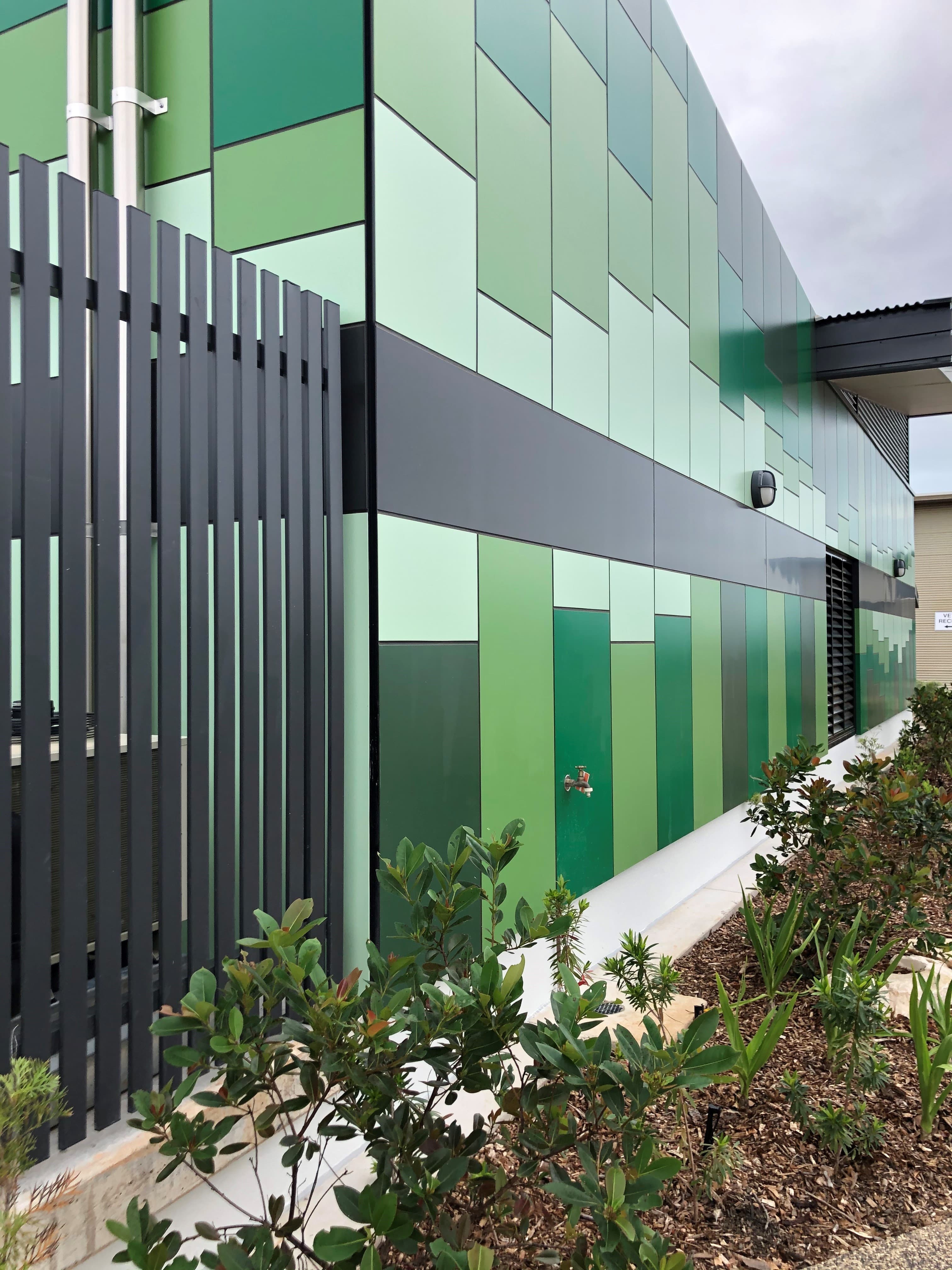
To illustrate how specific products can help drive these ratings, Roger points to HVG Façades’ signature MondoClad solid aluminium panels. Collectively, the product’s certifications contribute an impressive 27 credit points toward the Responsible Products Framework.
Supported by an independent EPD, MondoClad achieves 7 credit points by providing verified data on upfront embodied carbon and secures a further 10 points – the maximum available amount – for its Global GreenTag PlatinumHEALTH™ HealthRATE. “This provides total transparency regarding the ingredients used in manufacturing, proving the materials are safe for the end user,” Roger explains.
Finally, he adds, the panels secure another 10 points – the maximum available – through GreenTag GreenRate™ Level A certification. “This assessment focuses on responsible manufacturing and ethical supply chains, including modern slavery risk assessments and corporate social responsibility,” Roger notes.
Collective path to sustainable certification
Even with the right products, however, compiling the necessary certifications and documents for compliance can be an administrative challenge. To assist specifiers in this meticulous process, HVG Façades actively supports design teams through dedicated sustainability CPD presentations and tailored, project-specific guidance. To genuinely understand project requirements and identify the most relevant certification pathways, Roger explains, early engagement is essential.
“By involving us early, design teams can streamline documentation, reduce uncertainty and help avoid potential delays as the project progresses,” he says. And while outcomes inevitably vary from project to project, this collaborative approach ensures specifiers are best placed to make informed, deliberate product decisions and confidently leverage relevant certifications and receipts to achieve specific sustainability objectives.
However, Dirk emphasises, by choosing materials with comprehensive documentation spanning everything from upfront carbon to occupants’ health outcomes, architects, designers and specifiers do much more than just navigate a complex framework. “They advance their projects toward a zero-carbon, health-forward and human-centric future of the built environment,” he states. In the rapidly evolving landscape of sustainable design grounded in multi-faceted evidence, Dirk notes that a façade is no longer just the skin of a building.
“It’s a statement of intent,” he concludes. “And with MondoClad, the choice between architectural vision and rigorous, holistic responsibility disappears, ensuring that the buildings we design today remain healthy, ethical and verifiably sustainable for decades to come.”
.jpg&w=3840&q=75)
BLOG
On site. In practice
14 May 2026
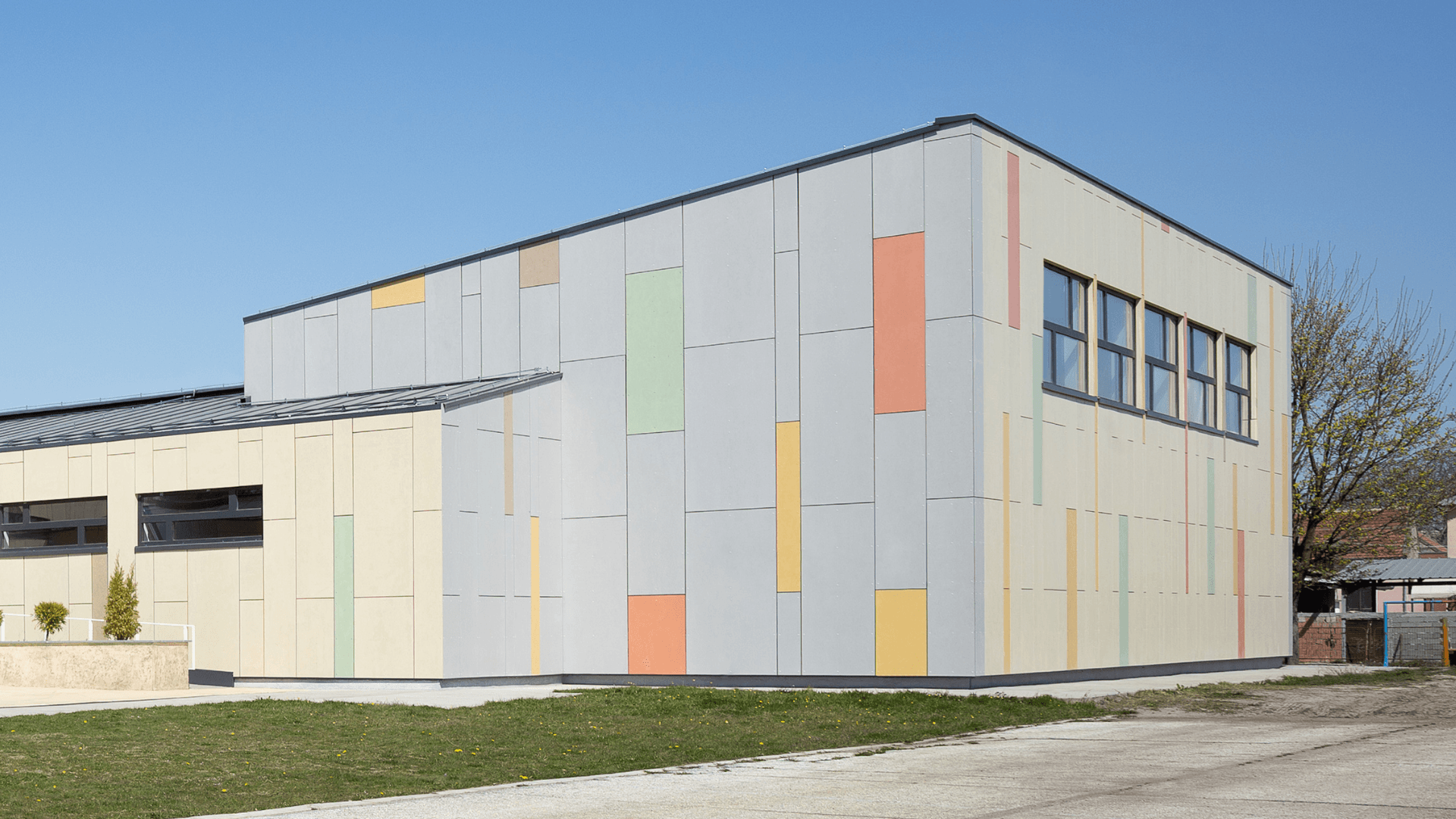
Creating Connection Through Facade Design
As contemporary architecture increasingly favours large, minimalist forms, façades can risk feeling impersonal at street level.
03 May 2026
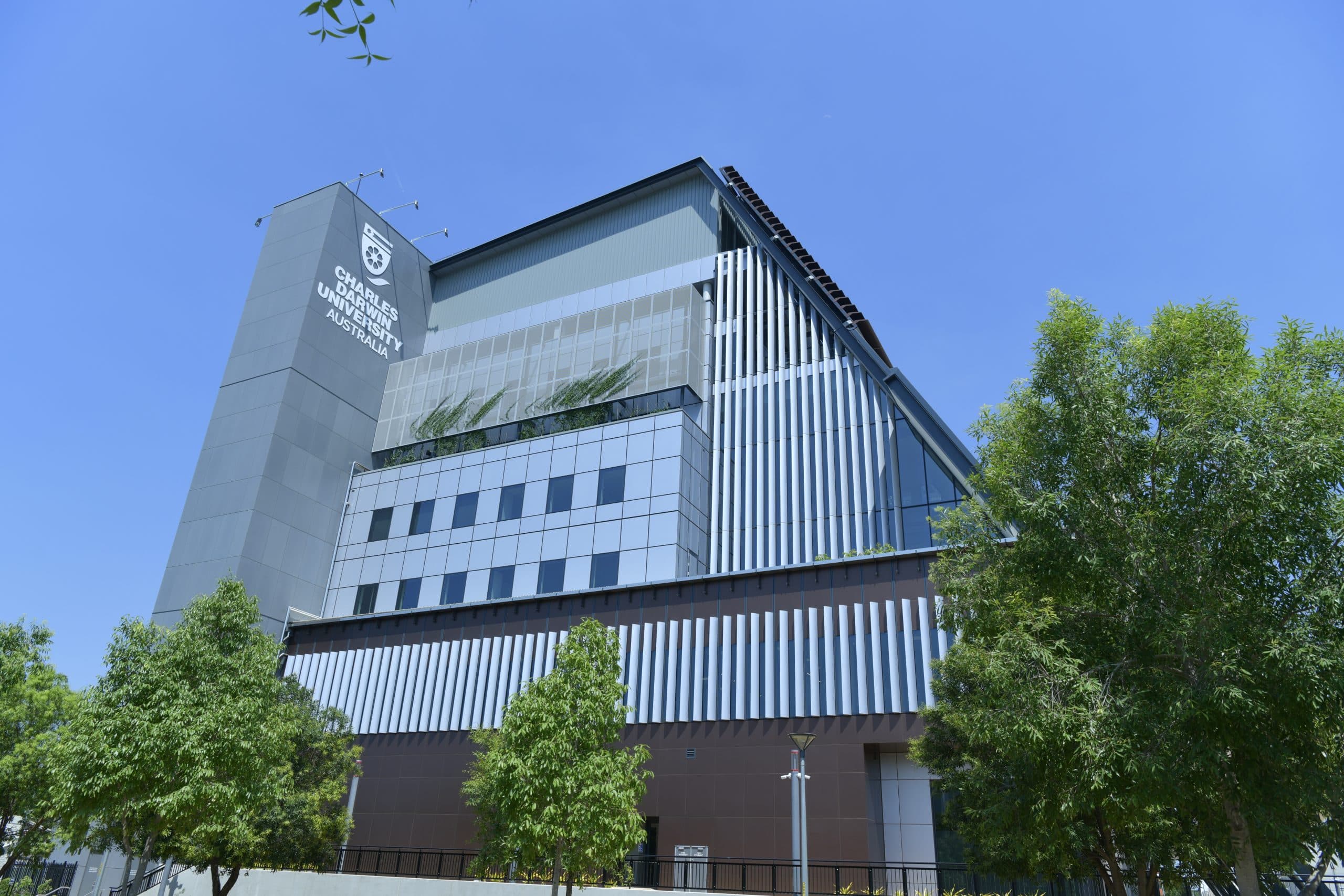
Case Study: The Charles Darwin University Education & Community Precinct, 'Danala'
The newly opened Charles Darwin University (CDU) Education and Community Precinct epitomises a dynamic vision for Darwin’s Central Business District.
.jpg&w=3840&q=75)
15 Sept 2026
MondoClad at Newcastle’s Pioneering Residential Eating Disorders Centre
Newcastle’s pioneering Residential Eating Disorders Centre prioritises healing through nurture and nature.