
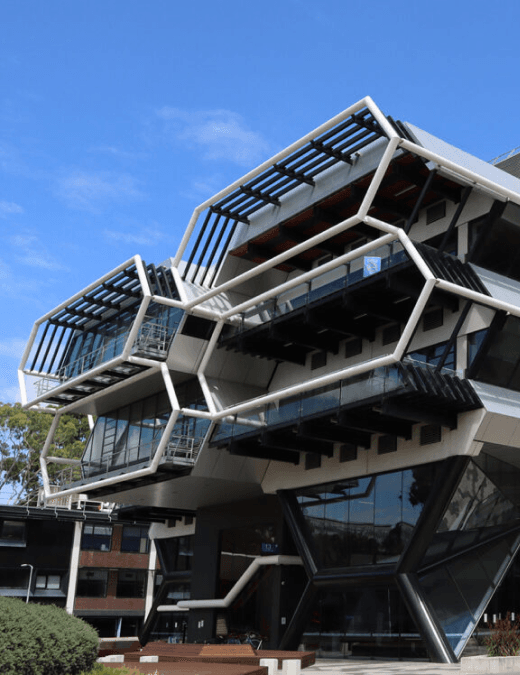
Nucleo Achieves a Global GreenTag International EPD

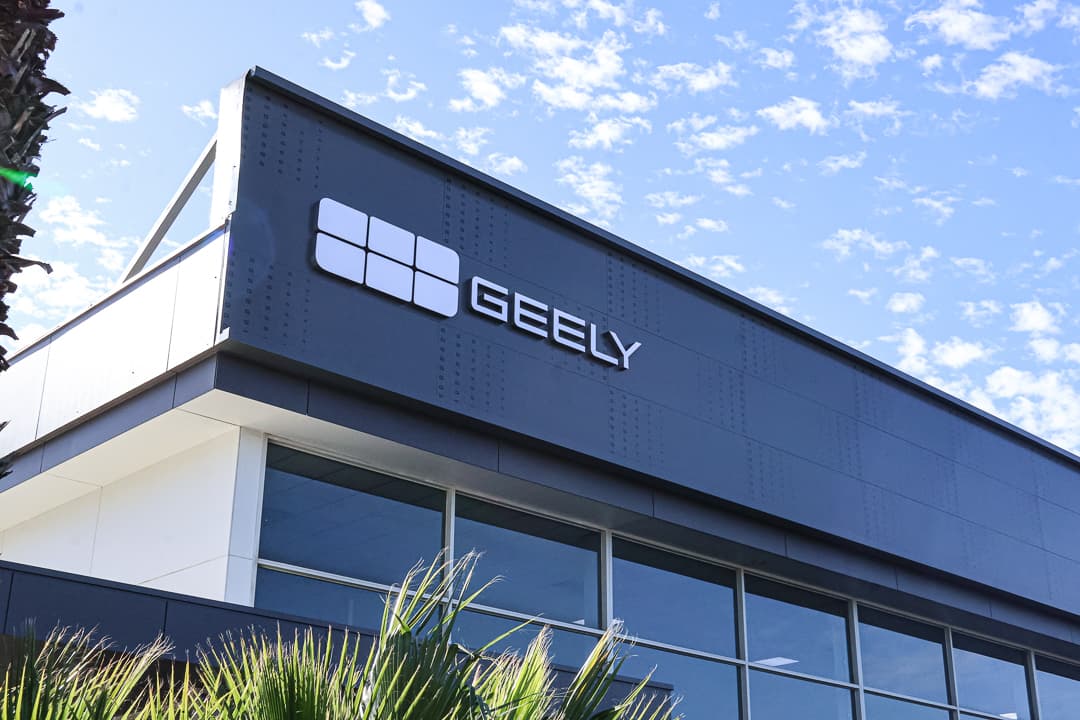
HVG Facades is pleased to share that Nucleo, our premium bonded aluminium panel, has gained an Environmental Product Declaration (EPD)
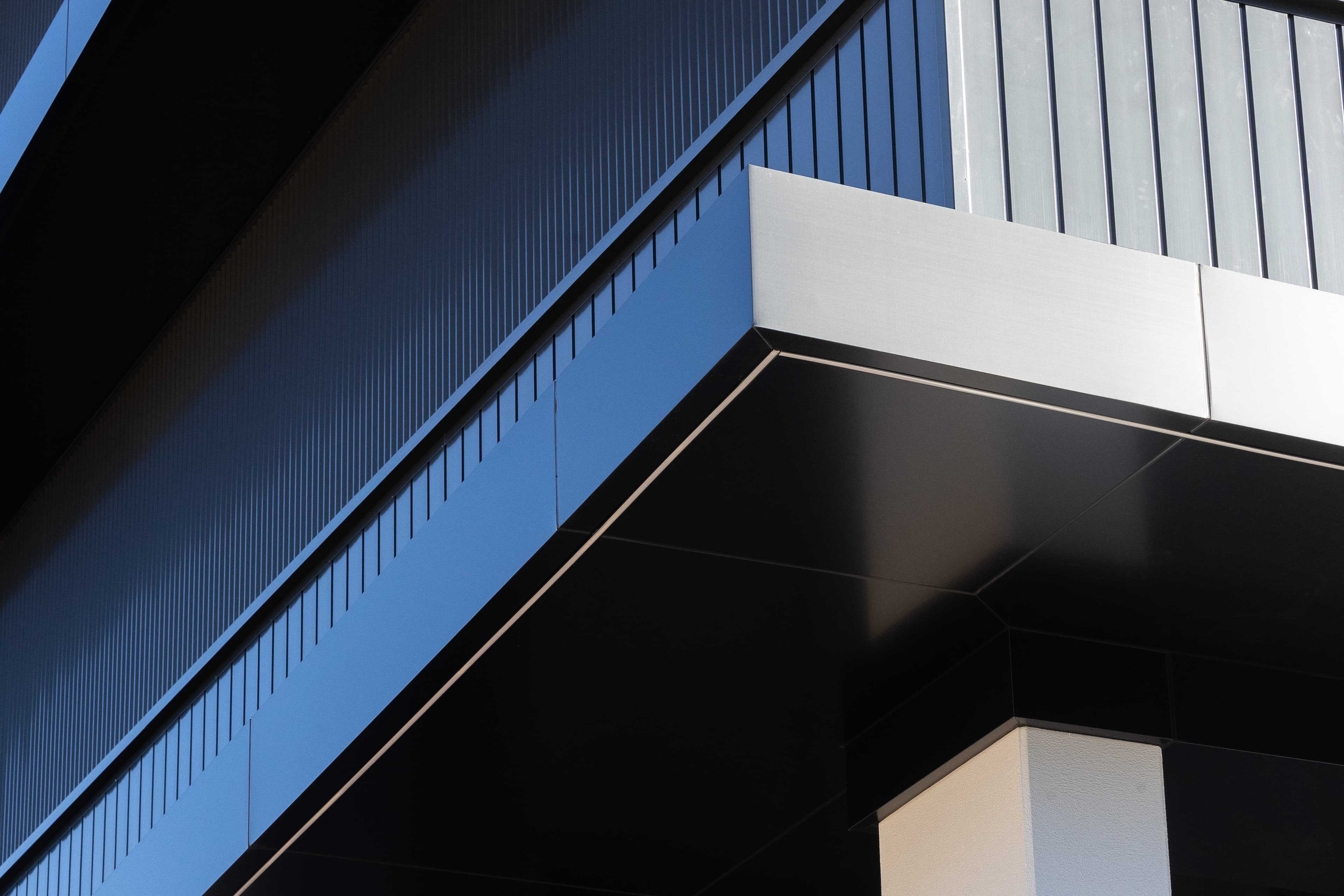
Nucleo consists of two outer skins of marine-grade aluminium bonded to a profiled aluminium core, creating a lightweight, ultra-flat panel for commercial and residential facades. With no polymer in its core, it is deemed non-combustible when tested to AS1530.1 and AS1530.3.
The EN 15804 EPD, produced through the Global GreenTag International EPD Program, reinforces our commitment to supporting design and construction professionals with comprehensive data that helps meet the guidelines established by the Green Building Council of Australia and the Australian Government.
What is an EPD and why does it matter?
An EPD is an independently verified document that reports the environmental impact of a product, including its carbon emissions. The data comes from a Life Cycle Assessment (LCA), which measures a product’s impact across stages of its life, from raw materials through to the product’s end-of-life cycle.
For architects and specifiers, EPDs make it possible to compare products on a consistent, transparent basis and understand the embodied carbon of the materials they choose. Nucleo’s EPD covers upfront embodied carbon (modules A1–A3), as well as end-of-life embodied carbon (modules C1–C4) and benefits and loads (module D). EPDs are recognised by leading green building frameworks, including Green Star, LEED and BREEAM, and are increasingly expected on projects with sustainability targets.
Certifications that work together
An EPD shows a product’s environmental footprint, but it doesn’t tell the whole story. It doesn’t assess whether a material is safe for the people who live and work around it, or whether it has been responsibly sourced and made. Truly sustainable buildings need all three questions answered.
That’s why Nucleo’s EPD sits alongside two Global GreenTag certifications. Nucleo holds a Global GreenTagCert™ PHD™ (Product Health Declaration), achieving a PlatinumHEALTH™ HealthRATE™ certification outcome. Global GreenTag International is an independent certification body and assessed Nucleo’s impact on human health, confirming it is suitable for use with no significant toxicity concerns.
Nucleo has also attained GreenRate™ Level A certification, the highest level within GreenTag’s GreenRate™ program, recognising responsible sourcing and manufacturing processes.
Together, the EPD, PHD™ and GreenRate™ certifications give a complete picture of Nucleo’s environmental, health and sourcing credentials. It’s the same suite held by our solid aluminium panel, MondoClad, giving specifiers a consistent standard across both products.
The sustainable benefits of Nucleo
Nucleo’s skins are made from 5000 series aluminium, the alloy series mandatory for NCC F3D5 deemed-to-satisfy weatherproofing requirements. It also makes the panel corrosion resistant and well suited to the harsh Australian environment. Nucleo achieves 0 for Ignitability and Spread of flame when tested to AS1530.3.
At just 4mm thick and 4.6kg/m², the ultra-flat panel is easy to handle and install, helping lower the overall cost of construction. Its coil-coated Duranar PVDF finish delivers excellent UV stability and colour retention, backed by a 15-year warranty.
Nucleo panels are also 100 percent recyclable, with recycled aluminium requiring up to 95 percent less energy than primary metal production.
Ready to build greener?
With an EPD joining its PHD™ and GreenRate™ certifications, Nucleo gives architects and designers the data and confidence to meet their sustainability goals without compromising on performance or design. Explore the full Nucleo range of colours, finishes and sizes online today.
BLOG
On site. In practice
15 Sept 2026
Navigating Green Building Certifications with MondoClad
Navigating green building certifications requires a holistic approach to material transparency.
17 Jun 2025
Nucleo Enhances National Rollout of Geely Showrooms

13 Jan 2026
Fostering Connection Through Calm Façade Design
In a fast-paced world, architecture is often experienced in passing. A building’s façade becomes the first layer of communication between the built environment and the people who move through it every day.